Backpacking and the high desert: Nevada beyond Las Vegas
Mountain ranges in long rows, ancient pines on the ridges, and some of the darkest night skies in the country.
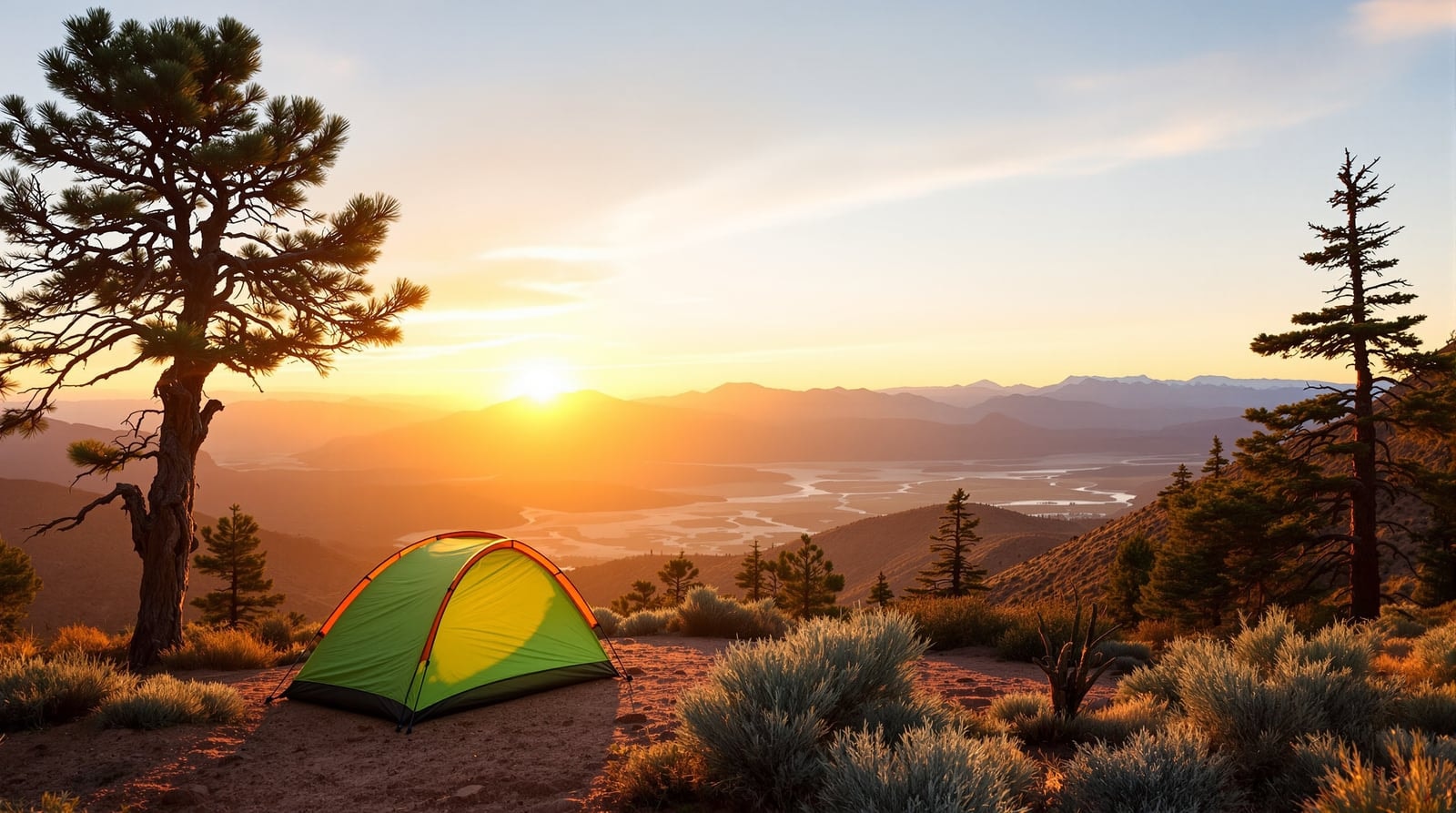
Most visitors to Nevada never leave the neon glow of Las Vegas. Beyond it lies one of the emptiest and most beautiful landscapes in the country: a basin-and-range country of long valleys and mountain ranges, sagebrush and salt flats, ghost towns and alpine lakes. It is wonderful country for walking, and for backpacking in particular.
What backpacking is
Wikipedia's article on backpacking describes it as the outdoor recreation practice of carrying gear on one's back while hiking for more than a day, often camping outdoors, with gear that can include food, water, bedding, shelter, clothing and a stove. It notes that, because backpackers must carry everything, the weight of the bag and its contents is a primary concern. In the desert, that concern is multiplied by one heavy essential: water.
Backpacking in the desert
Desert backpacking asks for more planning than a forest trip.
- Water. Sources are few, seasonal and unreliable. Plan every liter, carry more than you think you need, and never rely on an unconfirmed spring.
- Heat. Walk in the cool of early morning and late afternoon, rest in shade through the middle of the day, and choose cooler seasons for long trips.
- Navigation. Trails can be faint and landmarks deceptive. Carry a map and the means to navigate without a phone signal, and let someone know your route and return time.
- Cold nights. Clear desert skies release heat quickly; nights can be cold even after hot days, especially at elevation.
- Leave no trace. Desert soils and plants heal very slowly. Camp on durable surfaces and pack out everything.
Desert heat is dangerous. Carry plenty of water and drink it, avoid hiking in the hottest part of the day, and turn back early if you are running low or feeling unwell. The National Weather Service's heat safety page explains that heat can lead to heat-related illnesses and can make existing health conditions worse, and that everyone can be vulnerable to heat.
The U.S. Forest Service's Know Before You Go advice is worth reading before any trip into Nevada's national forests: it reminds visitors to remain vigilant for potentially dangerous situations and warns that the weather can change suddenly and dramatically.
Great Basin National Park
In the east of the state, near the Utah border, Great Basin National Park is one of the least visited and most rewarding parks in the West. The National Park Service's page describes Lehman Caves, a marble cave full of stalactites, stalagmites, popcorn and cave shields that visitors explore on tours, alongside hiking trails to lakes, bristlecone pines and solitude, several campgrounds, and fall visits that bring good access to the park without the crowds of summer.
Above all, the park is famous for its night skies. Far from city lights, the Milky Way arches across the sky in astonishing detail. Bring warm layers, lie back and let your eyes adjust. Ancient bristlecone pines on the high ridges, twisted and weathered, add to the sense of deep time.
The Mojave and Death Valley in brief
In the south, the Mojave Desert stretches from Nevada into California: Joshua trees, creosote flats, dunes and colorful rock. Across the border, Death Valley is a land of extremes, with salt flats, sand dunes, colorful badlands and mountains rising high above the valley floor. It is magnificent in the cooler months and dangerous in summer; plan any visit around the heat.
Reno and Virginia City
In the northwest, Reno sits at the foot of the Sierra Nevada, with a river running through its downtown and access to the mountains. Nearby, Virginia City clings to a steep hillside, a historic mining town of wooden sidewalks, old buildings and a history rooted in the silver strikes of the nineteenth century. Walking its streets and learning about the mines beneath gives a sense of the boom-and-bust story that shaped Nevada. Historic railways in the region are a reminder of that era; the train travel tips touch on heritage rail.
Lake Tahoe
On the border with California, Lake Tahoe is a vast alpine lake of astonishing clarity and blue, ringed by mountains and forests. Trails circle high above it, beaches line the shore, and in winter snow covers the peaks. It is a complete contrast to the desert just to the east.
The Black Rock Desert
North of Reno, the Black Rock Desert is a vast, flat, silent playa surrounded by mountains, once part of an ancient lake. For one week a year, it hosts a large arts gathering; for the rest of the year, it is one of the emptiest places in the country, with hot springs, emigrant trail history and endless horizons. Travel here requires self-sufficiency, reliable vehicles and careful planning.
For more desert country, read Las Vegas beyond the Strip, Canyon de Chelly and the Southwest and the Grand Canyon's two rims.