The colors of Curaçao
A waterfront painted every shade of the paint box, a language all its own, and a dry island of hidden coves.
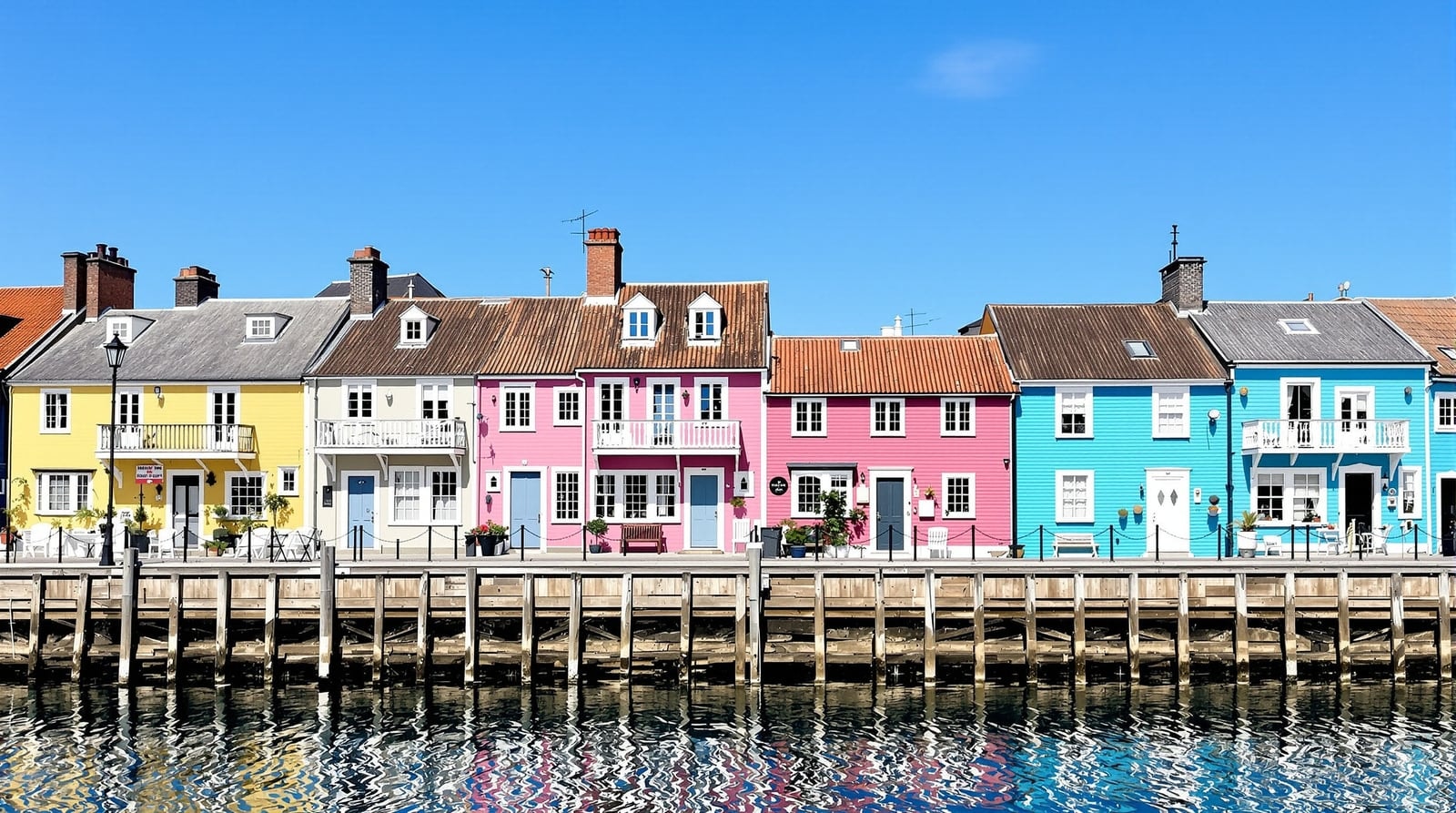
Arrive in Curaçao's capital and the first thing you notice is color. Along the harbor, the tall, gabled houses are painted lemon, salmon, mint, sky blue and deep rose, their white trim bright against the water. It looks like a toy town, and it is one of the most photographed waterfronts in the Caribbean.
The island
Wikipedia's article on Curaçao describes it as a constituent country in the Kingdom of the Netherlands, with Willemstad as its capital, and notes that together with Aruba and Bonaire it forms part of the ABC islands, often grouped with other Dutch islands in the Caribbean as the Dutch Caribbean. It lies in the southern Caribbean, off the coast of South America, and its landscape is very different from the lush islands farther north: dry, rocky and dotted with cactus.
Willemstad's painted waterfront
Willemstad is divided by a narrow channel into two historic quarters, joined by a floating pedestrian bridge that swings aside to let ships pass. Walking across it, you see the painted façades of the waterfront reflected in the water, and on the other side a maze of streets, courtyards and old merchant houses.
- Walk early or late. The low light makes the colors glow, and the heat is gentler.
- Look beyond the famous row. Side streets and older neighborhoods hold equally colorful houses, some restful and faded, some freshly painted.
- Watch the bridge open. When the pontoon bridge swings, a ferry often carries people across instead.
History in brief
Curaçao's history is layered: Indigenous inhabitants, then Spanish, then Dutch colonial rule, with the island becoming a busy trading port. Its wealth, like that of much of the Caribbean, was bound up with the transatlantic slave trade, and that history is marked in museums and memorials on the island. Visiting them adds depth and honesty to the bright picture of the waterfront.
Papiamento
Listen to people talking in Willemstad and you will hear Papiamento, the island's own language. The same Wikipedia article gives the country's name in Papiamento, alongside Dutch. Papiamento blends elements of Portuguese, Spanish, Dutch, African languages and more, and it is a proud part of the island's identity. Try a few words: bon dia for good morning, danki for thank you, bon bini for welcome.
Alley art
In some of Willemstad's older neighborhoods, walls and alleys have been turned into open-air galleries of murals. Community art projects have brought bright paintings, portraits and patterns to once-neglected streets. Wandering them is a joy, but remember that these are living neighborhoods: greet residents, keep noise down, and never photograph people's homes or people themselves without asking.
Beaches and the dry landscape
Curaçao's coastline is lined with small beaches tucked into coves along the western shore, many with clear water and reefs close to shore. Some have facilities; others are simple patches of sand at the end of dirt roads. Inland, the landscape is arid: cactus, thorny scrub, rocky hills, salt pans where flamingos may feed, and old plantation houses on the hills.
In the water, the reef courtesy that applies everywhere in the Caribbean matters here too. Never stand on or touch coral, keep fins clear of the reef, and do not feed or chase turtles or fish. The reasons are explained in the guide to St. John and island-hopping the Caribbean.
Simple tips
- Respect the sun. The island is sunny and breezy, and the wind can hide how strong the sun is. Wear a hat and cover up.
- Carry water when exploring the dry interior or hiking in its national park.
- Rent a car to reach the western beaches and the countryside; public transport is limited.
- Eat local. Look for stews, fried snacks, fresh fish and dishes that reveal the island's mixed heritage.
- Visit the markets to see local produce and crafts.
Why color matters
Places like Curaçao show how color can define a town's identity. Painting houses in bright hues is a local custom, and the result is a place that feels joyful to walk through. It is a reminder to look closely wherever you go, and to notice what colors people choose to live with.
For more Caribbean color, see Jamaica in color, and if you are exploring by ship, read tips for your first cruise.