Quiet places: visiting historic cemeteries on your travels
History, art and stillness, in places that deserve a gentle footstep.
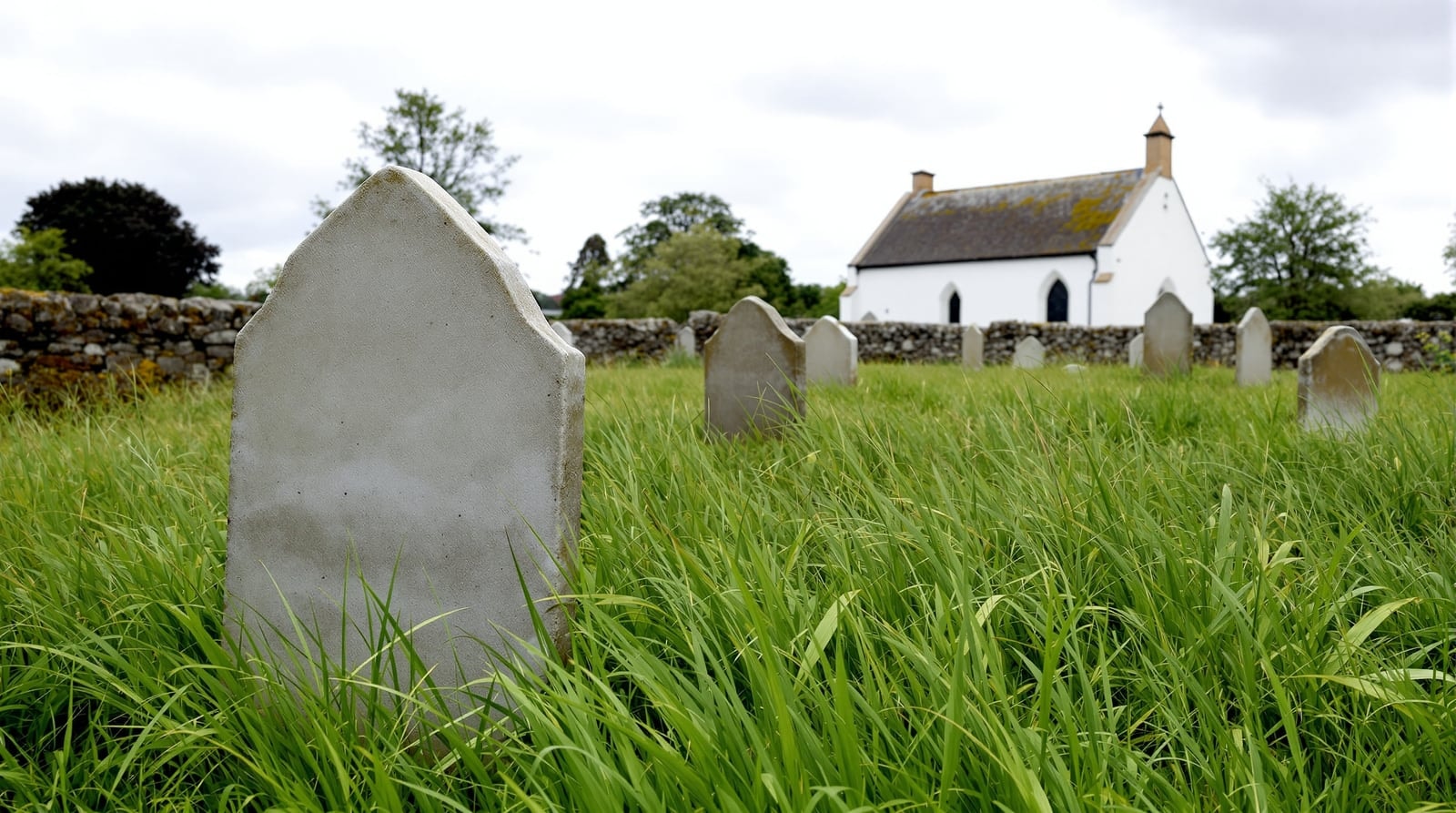
An old cemetery is not an obvious travel destination, and it should never be treated as a tourist attraction. Yet many travelers find that a quiet hour among old graves tells them more about a place than a busy museum. Cemeteries hold local history, remarkable stone carving, landscapes designed for reflection, and a stillness that is rare anywhere else. Above all, they are places of mourning and memory, and the way visitors behave in them matters.
Why travelers visit
Wikipedia's article on cemeteries describes the rural or garden cemetery as a style of burial ground that uses landscaping in a park-like setting. Cemeteries of this kind were designed from the start to be visited, as places for walking, contemplation and remembering, and many historic cemeteries remain some of the greenest, most peaceful spaces in their cities.
- History. Headstones record names, dates, occupations and origins, tracing immigration, epidemics, wars and the growth of a town.
- Art. Carved angels, urns, symbols of flowers and hands, ironwork and family mausoleums are a gallery of changing tastes in craftsmanship.
- Landscape. Old trees, winding paths and views make many cemeteries beautiful gardens.
- Quiet. In a busy city, a cemetery may be the most peaceful place you find.
Iceland's churchyards
In Iceland, small churches stand alone in the landscape, often with a walled churchyard beside them: a scatter of simple stones and iron crosses in the grass, with mountains or the sea beyond. Some are near turf-roofed buildings; many are simply part of a farm or village. They are among the most beautiful and poignant sights in the country. Keep to the paths, close any gate behind you, and remember that these are active parish churchyards. The guide to Iceland's landscapes covers the country's wider scenery.
New England's garden cemeteries
New England has some of the finest examples of the rural cemetery movement in the United States. Wikipedia's article on Sleepy Hollow Cemetery in Concord, Massachusetts describes a rural cemetery designed by landscape architects as an early natural garden, and notes that a hill known as Author's Ridge is the burial place of a number of literary figures. Visitors walk its wooded paths in all seasons, and autumn color makes it especially beautiful. Visit quietly, and remember that it is still in use.
New Orleans' above-ground tombs
New Orleans is famous for its cemeteries of above-ground tombs, rows of whitewashed and weathered vaults that look like small cities of the dead. The style reflects local traditions and the city's low, wet ground. Some of these cemeteries are fragile and can only be visited under specific arrangements, often with licensed guides; check the current rules before you go, and never mark, climb or touch the tombs.
Great European cemeteries
Across Europe, large historic cemeteries from past centuries are known for their tree-lined avenues, monumental sculpture and sense of history. Many cities have one, and they are often calm green spaces used for walking by local people. Explore them with the same care you would bring to a church or a memorial.
Visiting with respect
A few principles apply everywhere:
- Remember that people grieve here. Give mourners privacy and space, and move away quietly from a funeral or a visit in progress.
- Stay on the paths. Avoid walking across graves where you can.
- Do not make rubbings of headstones. Rubbing damages old stone; photograph instead, without flash or fuss.
- Do not picnic on graves or sit on monuments.
- Touch nothing. Leave flowers, stones, tokens and personal items exactly where they are.
- Follow posted rules and opening times, and respect any areas closed to visitors.
- Keep your voice low and your phone silent.
- Dress with some care. There is no strict code in most places, but beachwear and party clothes are out of place.
Photography is usually allowed in historic cemeteries, but think about what you photograph. Recent graves, grieving visitors and personal tributes are not scenery.
Reading the stones
Much of what makes old cemeteries rewarding lies in details. Carved symbols often carried meaning: a willow for mourning, an anchor for hope, clasped hands for farewell, a broken column for a life cut short. Changes in materials, from slate and sandstone to marble and granite, trace the history of local craftsmanship and trade. Reading them slowly, without touching, turns a quiet walk into a lesson in social history.
A different kind of travel
Visiting old cemeteries is part of a broader habit of slow, attentive travel: looking beyond the headline sights, reading the places where ordinary lives are recorded, and giving time to quiet. For more on that way of traveling, read What defines a culture? and why time away matters.