Revisiting London — and returning to Europe's great cities
The second visit is when a city starts to become yours.
First visits are about the famous sights. Second visits are about everything else. The pressure to see the landmarks has gone, the layout of the city is familiar, and you are free to wander, linger and notice. That is when a great city starts to become your own.
Why revisiting rewards you
- You know the basics. Transport, neighborhoods and customs no longer need learning, so the trip starts on arrival.
- You can go deeper. One district, one museum, one theme per day instead of a rushed tour.
- You notice change. A new market, an old café gone, a neighborhood transformed: cities are living things.
- You notice yourself. Returning shows how you have changed since the last time.
London on foot
Wikipedia's article on London describes it as one of the world's major global cities, exerting a strong influence on art, architecture, culture and much else. For all its size, it is a city of villages, and walking is the best way to see it. Each district has its own character: markets and warehouses, grand squares and terraces, narrow medieval lanes in the old City, and leafy residential streets.
- Choose one area a day and explore it thoroughly on foot.
- Follow canals and parks, which link neighborhoods through green corridors.
- Look up at architecture and down at the blue plaques and street names that mark history.
- Visit local markets for food and atmosphere.
London by river
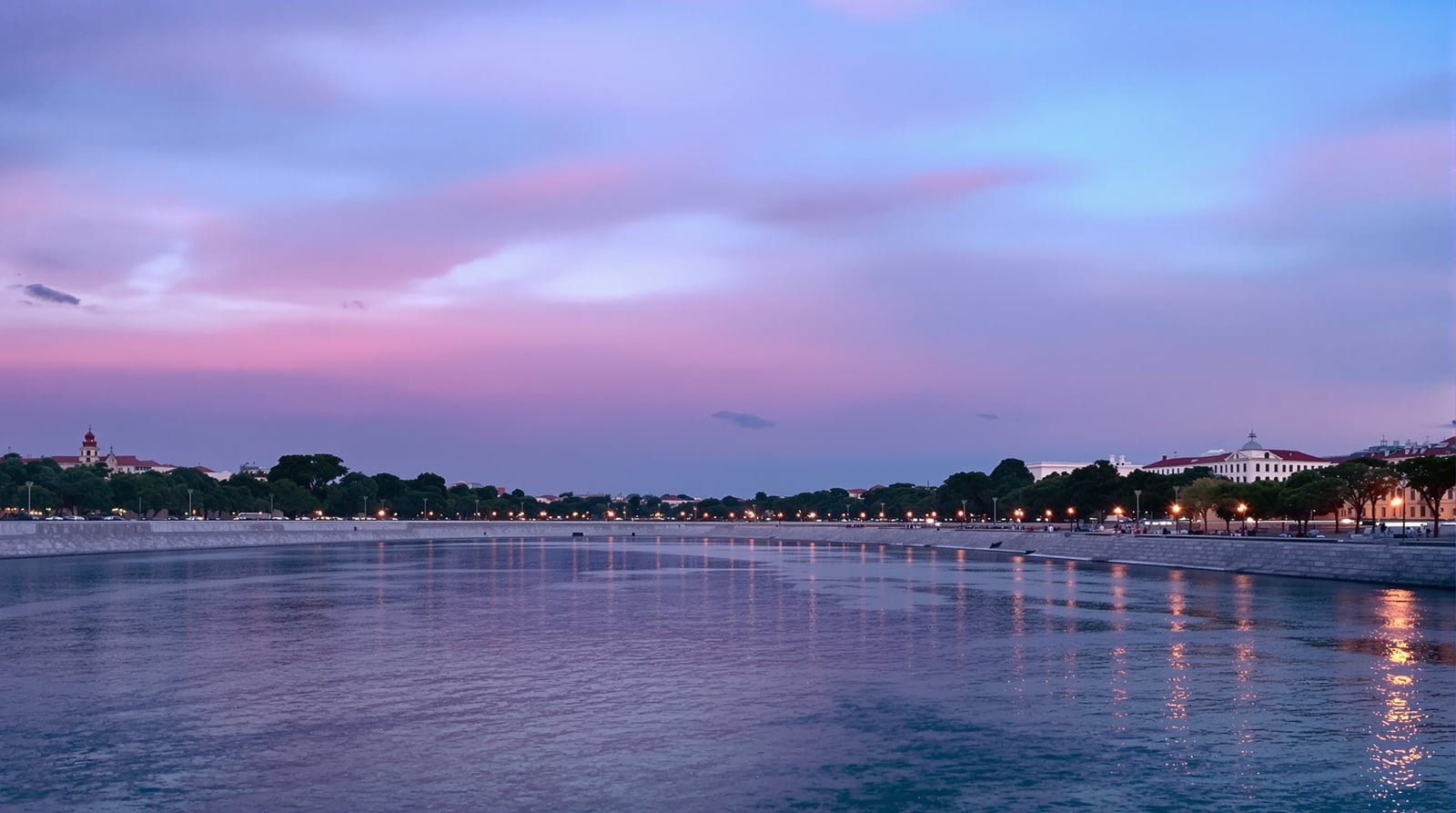
The Thames is the city's great artery, and seeing London from the water changes your sense of its shape. River boats connect many districts, and a riverside walk along the embankments passes bridges, historic buildings, galleries and theaters. At dusk, when the lights come on and reflect in the water, the river is at its most beautiful.
Literary London in general
London has inspired writers for centuries, and a literary walk can take you past the settings of novels, poems and plays, historic bookshops, old coffee houses and the homes of writers marked with plaques. Reading a novel set in London before or during your visit adds depth to your wanderings; the page on travel reading has ideas on building that habit.
Parks and green space
For a city of its size, London is remarkably green. Royal parks, heaths, commons and garden squares give room to breathe, and many are linked by paths so that you can walk for hours with grass underfoot. Early morning in a park, with mist over the lawns and birdsong in the trees, shows a quiet side of the city many visitors never see. On a return visit, a picnic on a hill with the skyline in the distance may become the memory you keep longest.
Museums and galleries
London is home to many great museums and galleries, many of which have free permanent collections. On a second visit, choose one or two collections and explore them in depth rather than rushing through the highlights. Check each institution's own information on current arrangements before you go.
Returning to Europe's great cities
London is often the start of a longer European journey, and many of the continent's cities repay a second visit too.
Dublin
A compact, walkable city of Georgian squares, colorful doors, literary history and lively music, with the sea and hills close by.
Madrid
A city of grand boulevards, fine art collections, leafy parks and late dinners. Its neighborhoods come alive in the evening, when people fill the squares.
Venice
Beyond the famous squares, a maze of quiet canals, small bridges and residential neighborhoods where laundry hangs between houses. Visit in the off-season, stay overnight, and wander early in the morning. Remember that people live here, and follow local rules designed to protect the city.
Paris
On a return visit, skip the queues and explore neighborhoods, markets, small museums, riverbanks and parks. Paris rewards walking and sitting in cafés watching the world go by.
Lisbon's tiles
Lisbon's hills are covered with buildings faced in painted tiles, blue and white, green, yellow and patterned, which make wandering its steep streets a visual delight. Trams climb between old neighborhoods and viewpoints over the river.
Santorini
This volcanic island in the Aegean is famous for white houses and blue domes perched on cliffs above a flooded caldera. It can be very crowded at peak times; the quieter months and less famous villages are the time and place to enjoy it.
For slower travel in Central Europe, continue with Ljubljana, Lake Bled and the Alps, and for why the journey matters at all, read why time away matters.