Canyon de Chelly and the parks and monuments of the Southwest
Sheer red walls, homes built into alcoves, and living communities on the canyon floor.
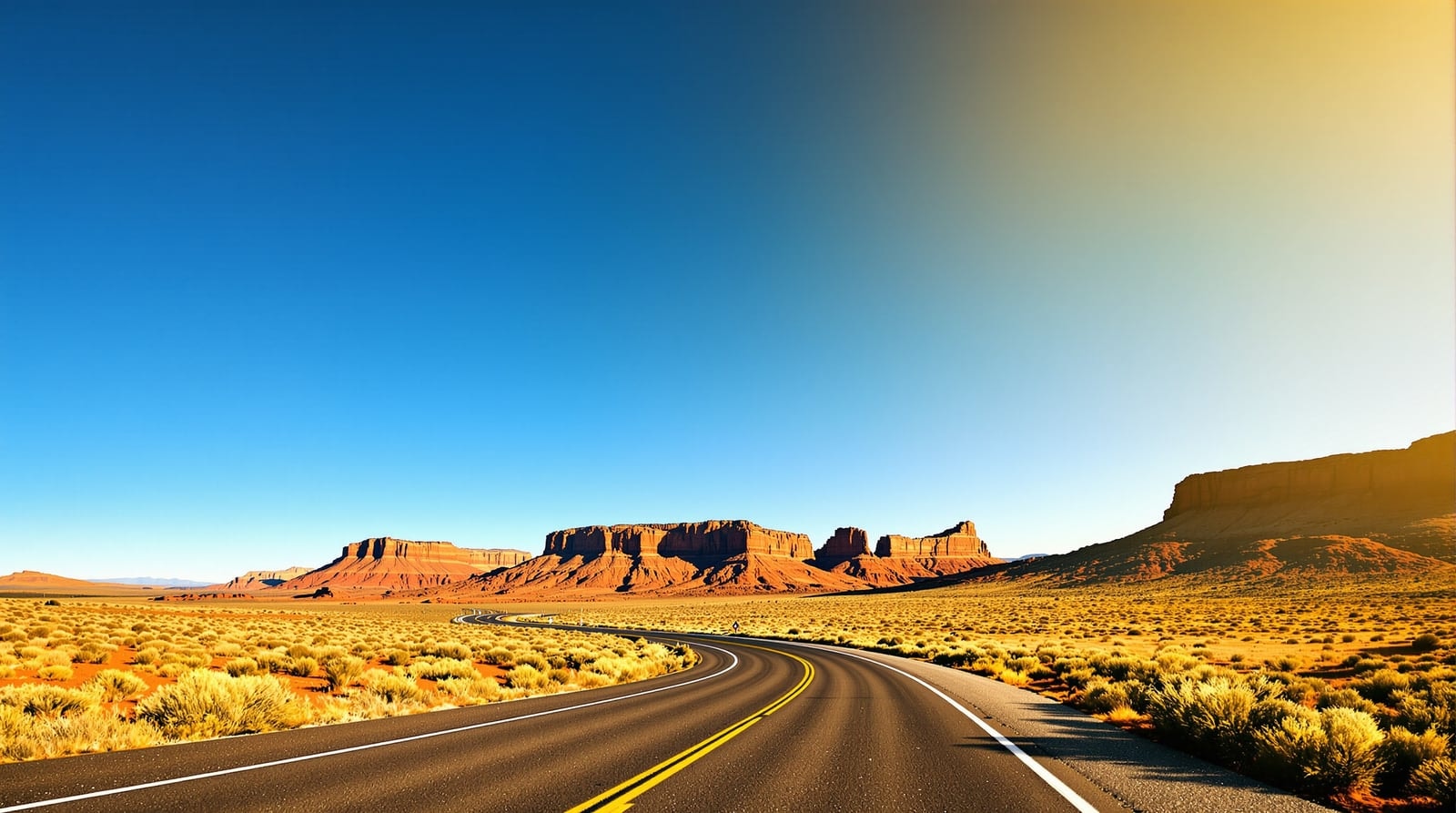
The Southwest is a land of color: red and orange cliffs, purple mesas, white sand, black lava and turquoise sky. It is also a land of deep human history, where ancient homes built into cliffs stand above fields still farmed today. Canyon de Chelly, in northeastern Arizona, is one of the places where that history and that landscape meet most powerfully.
Canyon de Chelly: the place called Tséyi'
The National Park Service's history and culture page for Canyon de Chelly tells the story of the place called Tséyi'. It explains that land uplifts and stream cutting created the colorful sheer cliff walls, that Ancestral Puebloans found the canyons an ideal place to plant crops and raise families and built homes in alcoves to take advantage of sunlight and natural protection, and that the Hopi later planted fields and orchards here. It describes the Navajo, or Diné, as continuing to raise families and plant crops in the canyon, with their farms, livestock and hogans visible from the rims.
Wikipedia's article on Canyon de Chelly National Monument places the monument in northeastern Arizona within the boundaries of the Navajo Nation, notes that it is owned by the Navajo Tribal Trust of the Navajo Nation and cooperatively managed, and states that access to the canyon floor is restricted, with visitors allowed in the canyons only when accompanied by a park ranger or an authorized Navajo guide.
Visiting with respect
Canyon de Chelly is not only a monument; it is home to Navajo families who live and farm on the canyon floor. The land has its own rules about where visitors may go, and those arrangements can change, so check them with the park before you go and follow them carefully.
- View the canyon from the rim roads and overlooks, which offer spectacular views of the cliffs, the dwellings and the fields below.
- Stay on marked trails and in permitted areas only.
- Never enter or climb on ancient dwellings, and never touch rock art.
- Do not photograph residents, homes or livestock without permission.
- Take nothing away: no pottery, no stones, no plants.
Navajo National Monument
West of Canyon de Chelly, Navajo National Monument protects large ancestral Puebloan cliff dwellings set in alcoves in the canyon walls. The National Park Service's page for the monument describes ranger-led canyon hikes to Betatakin and special overnight guided hikes to Keet Seel, and asks those considering the latter to know their limit and prepare for a strenuous guided hike. It also describes how modern tribal members have kept the heritage of the alcove dwellers alive. From the rim, a short trail leads to a viewpoint across the canyon to one of the dwellings, tucked beneath a vast curving roof of stone.
Petrified Forest
In the east of Arizona, Petrified Forest National Park is a landscape of ancient wood turned to stone, its logs glittering with color, set among the banded hills of the Painted Desert. The park's National Park Service page offers help with planning a visit, including suggestions for an off-season visit and sample trip itineraries. Take nothing: every piece of petrified wood belongs where it lies.
Sedona's red rocks
South of the Colorado Plateau's edge, Sedona is surrounded by red sandstone formations that glow at sunrise and sunset. Trails wind among buttes, spires and creeks, and the colors change constantly with the light. Start walks early to avoid the heat and the crowds.
Utah's canyon parks and wider Western parks
North of the Arizona border, Utah's canyon country holds a remarkable cluster of parks: arches and fins of red rock, deep slot canyons, hoodoos in pink and orange amphitheaters, and a great river canyon seen from high overlooks. Farther west and north, the parks of California and Oregon offer granite valleys, giant sequoias and deep blue crater lakes. Each deserves its own journey.
Why lesser-visited parks reward you
The most famous parks can be crowded at peak times. Lesser-known monuments and parks, like Navajo National Monument or Petrified Forest, often offer quieter trails, more time with rangers and a deeper sense of place. Mixing famous and lesser-known sites in one trip is the best way to see the Southwest.
Heat, water and weather
Desert heat is dangerous. Carry plenty of water and drink it regularly, avoid hiking in the hottest part of the day, and turn back early rather than pushing on. The U.S. Forest Service's Know Before You Go advice warns that weather can change suddenly and dramatically, and asks visitors to monitor conditions before they set out.
Summer storms can bring lightning and flash floods to canyons, even when the sky above you is clear. Check forecasts, avoid narrow canyons when storms threaten, and follow park warnings.
For more of the Southwest, read choosing a rim of the Grand Canyon, backpacking the Nevada desert and Las Vegas beyond the Strip.