Where to go next: ways to choose a destination
The world is large and time is short. A few honest questions make the choice much easier.
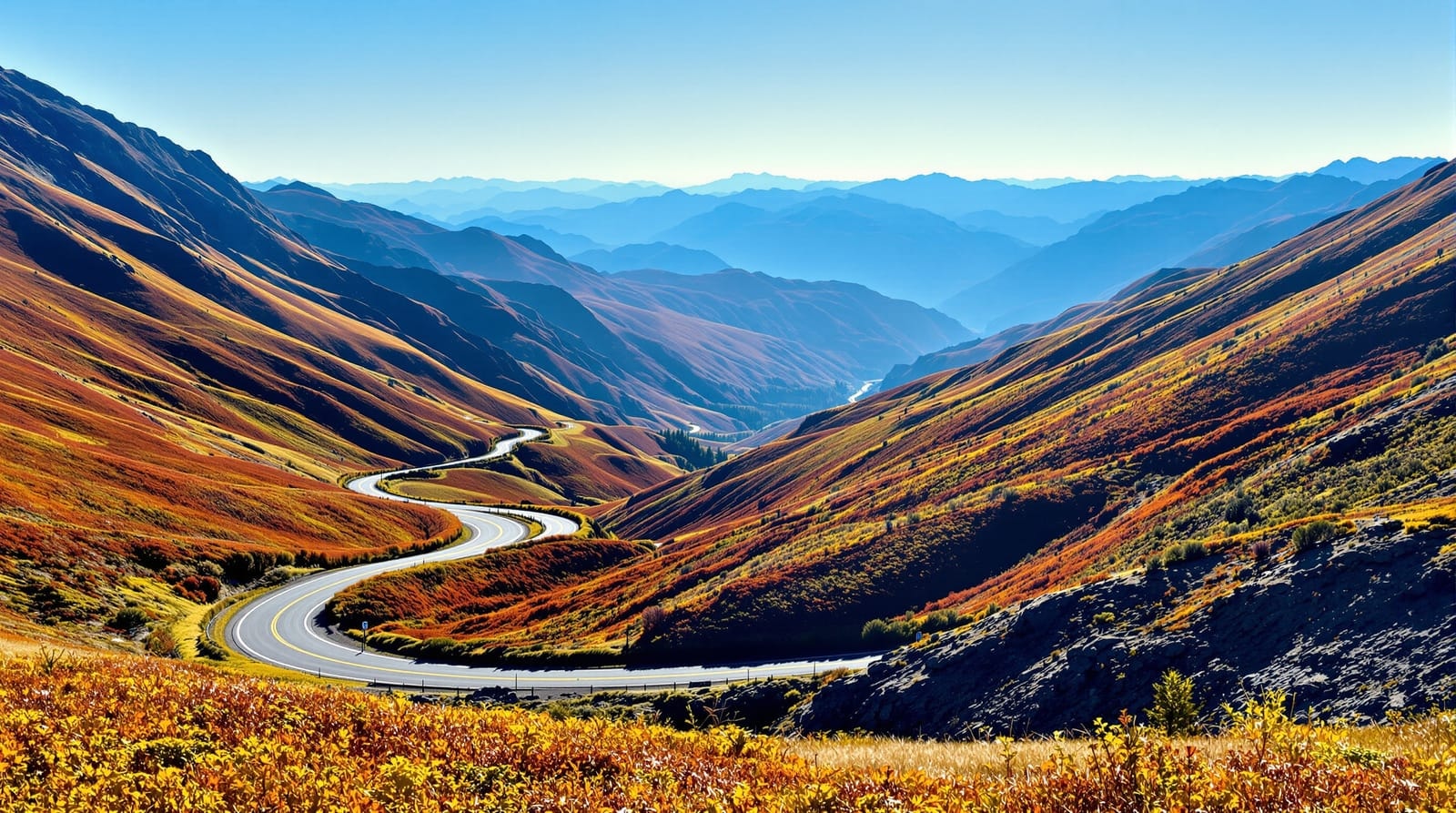
Sometimes a destination chooses you: a wedding, a reunion, a place you have dreamed about since childhood. More often, you simply want to go somewhere, and the choice is paralyzing. There are too many places, too many opinions and too little time. These questions help narrow the field until one place stands out.
What do you love doing at home?
Your everyday passions are the best guide to a trip that will satisfy you. A keen cook might build a journey around markets and regional food. A gardener might seek out botanical gardens or flower-filled landscapes, like those in Jamaica or Costa Rica. Hikers look to mountains and national parks; readers look to the settings of favorite books. Start with what you already enjoy, then look for the place that does it best.
What season is it?
Every destination has better and worse times of year. Monsoons, hurricanes, extreme heat, deep snow and peak crowds all shape the experience. Turn the question around: instead of choosing a place and then a date, look at the dates you have and ask where is at its best then. A desert that is unbearable in summer may be glorious in winter; a northern coast that is dark and stormy in winter may be golden in June.
What can you spend?
Budget narrows choices usefully. Some regions are simply cheaper to travel in than others, and the cost of getting there can outweigh everything else. Set a realistic total, work out what transport will cost, and see what remains for each day on the ground. The page on traveling on a small budget has ideas for making the money go further.
How much time do you have?
A long weekend rules out long-haul journeys; a month opens up whole continents. As a rough principle, the less time you have, the closer and simpler the trip should be. Two weeks spent in one region is almost always more rewarding than two weeks spent racing between four countries.
How far do you want to stretch?
Some trips are for rest and ease; others are for challenge and discovery. Be honest about which you need right now. A first international trip might be to a country where you speak the language or where travel infrastructure is well developed. A more experienced traveler might want somewhere where the rules are unfamiliar, the language is new and everything requires effort. Both are valid, and your answer may change from year to year.
Finding inspiration
- Reading. Travel narratives, novels set in a place and history books spark more journeys than any advertisement. The page on travel reading has ideas.
- Photographs. A single image of a canyon, a harbor or a market can lodge in the mind for years.
- Other travelers. Friends, colleagues and people you meet on the road are full of places you have never heard of. Ask them what surprised them.
- Maps. Spread out a map and let your eye wander. Notice the empty spaces, the coastlines, the mountain ranges, the names that sound intriguing.
Keep a life list
A life list is simply a running list of places and experiences you want to reach someday. It does not need to be grand or organized. Write down the lagoon you saw in a film, the festival a friend described, the mountain whose name you like. Over time the list becomes a map of your curiosity, and when the chance to travel arrives, you already know where your heart is pulling.
The beaten path is fine
There is a certain snobbery about famous places, as if seeing them makes you less of a traveler. Ignore it. Places become famous for good reasons, and a first visit to a great city, canyon or ruin can be overwhelming in the best way. Go early in the morning or late in the day, go in the off-season, and linger somewhere quieter nearby afterwards. The famous sights and the quiet corners are not rivals; they complement each other.
Dream trips as examples
Some destinations sit on many people's lists for years. Peru, with its high Andean landscapes, mountain towns and ancient sites, is one; its altitude asks for a slow ascent, and the page on jet lag and the body at altitude explains why. The Galápagos, with wildlife unafraid of people and strict rules to keep it that way, is another. Wherever your dream lies, the same questions apply: when is it at its best, what will it cost, how long do you need, and how much do you want to be stretched?
Once you have an answer, go. The perfect destination matters far less than the decision to leave. If something is still holding you back, read why people don't travel.