Tips for your first cruise
A floating hotel that changes its view every morning. A little planning makes the first voyage a good one.
A cruise can be a relaxing way to see several places in one trip without packing and unpacking. It can also be a bewildering experience the first time: a huge ship, a daily program full of options, and ports that come and go quickly. A little knowledge before you board makes the difference.
What a cruise is
Wikipedia's article on cruise ships describes them as large passenger ships used mainly for vacationing, and explains that, unlike ocean liners used for transport, cruise ships typically make round-trip voyages to various ports of call, where passengers may go on shore excursions. That shape defines the experience: the ship is your hotel, restaurant and transport all at once, and each port is a day visit rather than a stay.
Choosing a route
Routes vary enormously, and choosing the right one matters more than anything else.
- Warm-water routes in the Caribbean and elsewhere focus on beaches, snorkeling and island hopping.
- Coastal and fjord routes in the north focus on scenery, often best enjoyed from the deck.
- City-focused routes in places such as the Mediterranean pack in historic ports, with busy days ashore.
- River cruises use smaller boats on inland rivers, docking in town centers and moving at a gentle pace.
Consider how many sea days you want, how much time each port allows, and whether the itinerary suits your energy. A first cruise of modest length is a sensible way to find out whether the style suits you.
Choosing a cabin type
Cabins generally fall into a few categories:
- Inside cabins, with no window, the most affordable and very dark for sleeping.
- Outside cabins, with a window or porthole for natural light.
- Balcony cabins, with a private outdoor space.
- Suites, with more room and extra services.
Location matters as much as type. Cabins in the middle of the ship and on lower decks usually feel less motion. Cabins near elevators are convenient; cabins beneath dance floors or kitchens can be noisy.
What's included, and what isn't
The base fare usually covers your cabin, main meals in certain restaurants and much of the onboard entertainment. Many things usually cost extra: specialty dining, some drinks, shore excursions, spa services, internet access, gratuities and port charges. Read the fine print, make a realistic budget for extras, and keep track of spending, since charges on an onboard account add up quickly.
Shore days
Port days are short, so plan them. You can book an organized excursion, hire a local guide, or simply explore on foot.
- Know the "all aboard" time and treat it as absolute. Ships do not wait.
- Carry the documents the cruise asks you to take ashore.
- Walk a few streets away from the port, where shops and cafés are more local and less crowded.
- Spend money with local businesses where you can.
Seasickness in general terms
Many people feel little or no motion on a large ship, especially in calm seas, but some are sensitive to it. General measures many travelers use include choosing a cabin in the middle of the ship on a lower deck, getting fresh air on deck, looking at the horizon, and avoiding reading for long periods when the sea is rough. If you are worried about motion sickness, talk to a health care provider before you travel.
Safety drills
Before or soon after departure, every passenger takes part in a safety drill. Pay attention: learn where your muster station is, how to find your way there from your cabin, and what the alarm signals mean. Keep doors and corridors clear, follow crew instructions, and be careful on wet decks and stairs.
Quiet evenings at sea
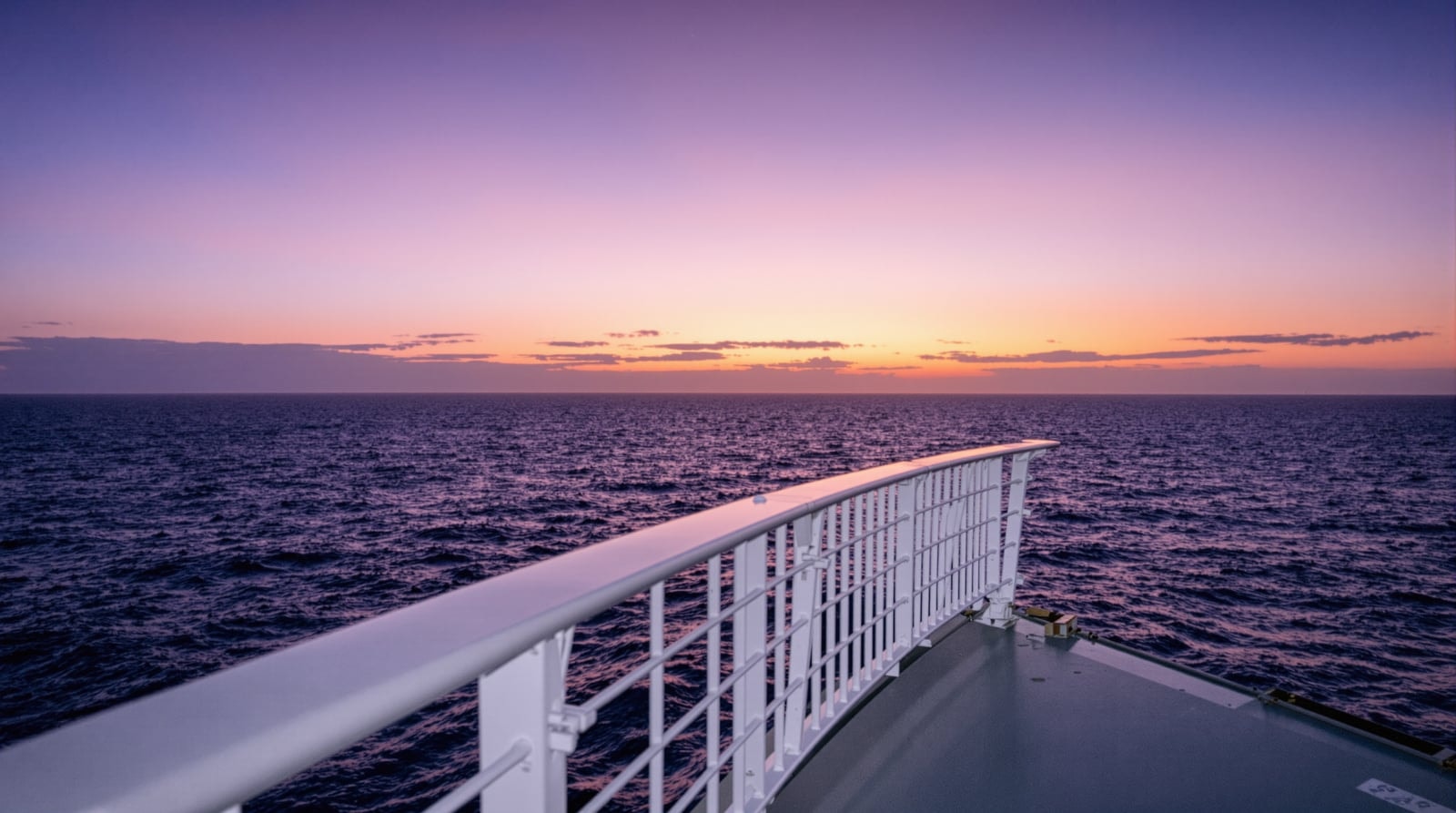
Cruise ships offer a great deal of noise and activity, but some of the best moments are quiet ones. Find a spot on an upper or outer deck at sunset and watch the sea change color. After dark, away from the ship's lights, the stars can be remarkable. Early mornings, when the ship slips into a new harbor, are magical too. Build these unscheduled moments into your days.
Packing notes
- Layers for windy decks and cool air conditioning.
- Comfortable shoes with good grip.
- A small day bag for shore excursions.
- Sun protection and a refillable water bottle.
The page on packing smart has more ideas. If you are heading to the Caribbean, read a day on St. John and the colors of Curaçao for what to do ashore.