A few words of Swahili for travelers in East Africa
A handful of greetings opens more doors than any guidebook. Here is where to start.
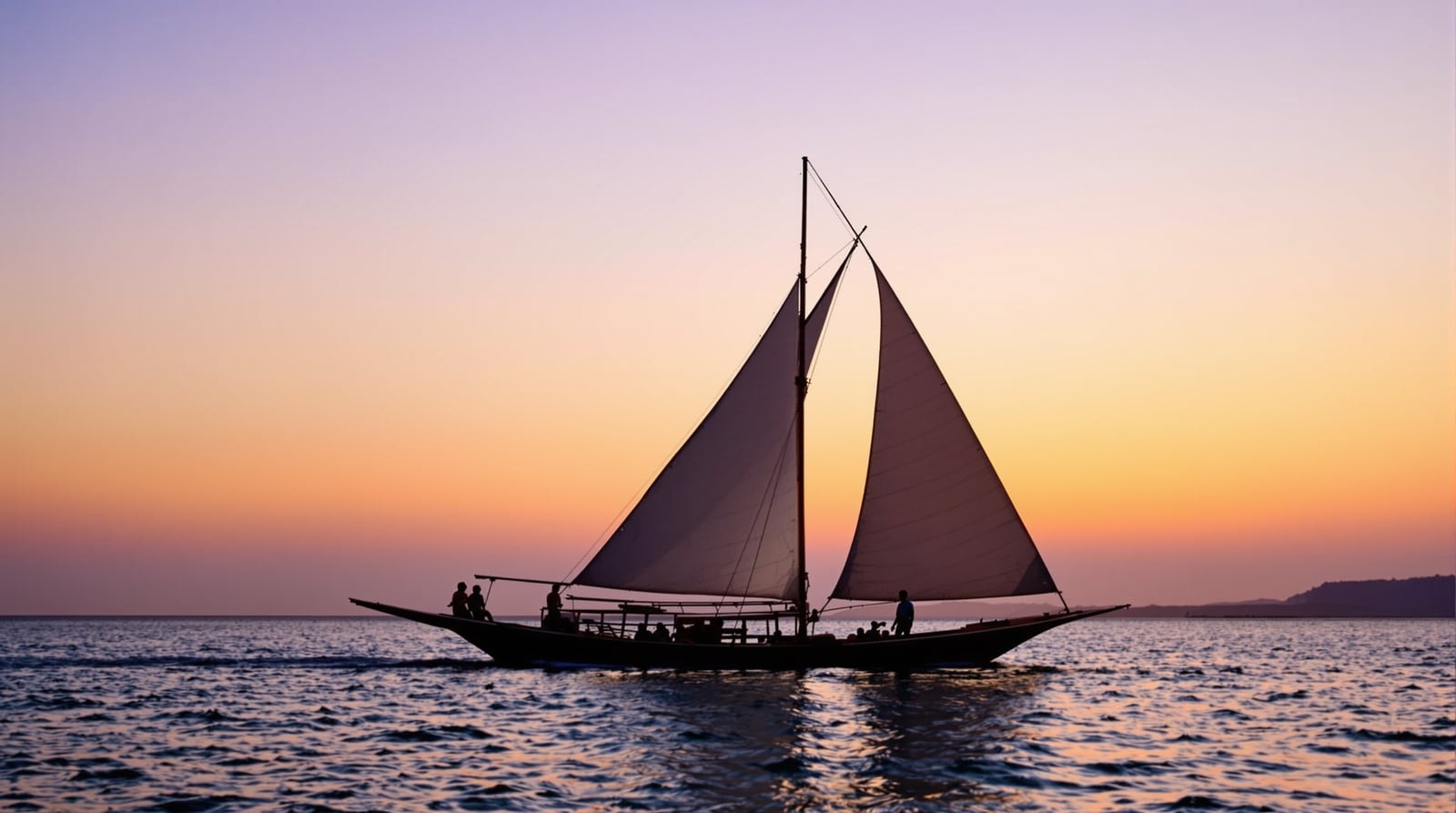
Along the coast of East Africa, the day begins with greetings. People ask after one another, after family and after work before any business is done. For a visitor, learning even a few words of Swahili to join in that ritual is one of the simplest and most rewarding things you can do.
The language
Wikipedia's article on Swahili describes it as a Bantu language originally spoken by the Swahili people, who are found primarily in Tanzania, Kenya and Mozambique along the East African coast and nearby islands. It notes that about 40% of Swahili vocabulary consists of Arabic loanwords, including the name of the language itself, a reminder of centuries of trade across the Indian Ocean. Today Swahili is spoken by many millions of people as a first or second language, and it serves as a common tongue across much of the region.
Wikipedia's article on Kenya covers the country's geography and people, from its capital, Nairobi, to the old port city of Mombasa on the coast, and its languages include both English and Swahili.
Why a few words matter
You can travel in East Africa using English in many places. But a greeting in Swahili changes the tone of an encounter. It shows respect, it signals that you see the person in front of you rather than a service, and it often earns a smile and a patient reply. Nobody expects fluency; the effort is what counts.
A small glossary
These are widely known everyday words and phrases. Local usage varies from place to place, so listen to how people around you speak and follow their lead.
- Jambo / Hujambo
- Hello. The short form is common with visitors; the fuller greeting is used among Swahili speakers.
- Habari?
- How are you? Literally, "what news?" A common reply is nzuri, meaning "good" or "fine".
- Asante / Asante sana
- Thank you / Thank you very much.
- Tafadhali
- Please.
- Karibu
- Welcome. You will hear it constantly, and it is also used to mean "you're welcome" or "come in".
- Ndiyo / Hapana
- Yes / No.
- Maji
- Water.
- Pole pole
- Slowly, slowly. Also a gentle philosophy: take your time.
- Rafiki
- Friend.
- Safari
- Journey. In Swahili it means any trip, not only a wildlife tour.
- Kwa heri
- Goodbye.
Pronunciation
Swahili is friendly to learners because it is written much as it sounds. A few general points:
- Vowels are pure and consistent: a as in "father", e as in "bed", i as in "machine", o as in "more", u as in "rule".
- Every vowel is pronounced, even when two sit together.
- Stress usually falls on the second-to-last syllable: a-SAN-te, ka-RI-bu, ra-FI-ki.
- Consonants are mostly as in English.
Practice aloud before you travel, and do not be shy about trying words on the road. People are usually delighted to help you get them right.
Greetings and courtesy
In much of East Africa, rushing past greetings to get to business is considered rude. Take a moment to greet properly, ask how someone is, and wait for the reply. Use the right hand when giving or receiving, dress modestly in towns and religious areas, and ask before photographing anyone.
Kenya and Tanzania in brief
The two countries where Swahili is most widely spoken share some of the world's great landscapes. Wide savannas stretch beneath enormous skies, home to famous wildlife. The Great Rift Valley cuts through the region, with lakes, escarpments and volcanoes along its length. Snow-capped mountains rise near the equator. On the coast, old Swahili towns of carved wooden doors and narrow lanes look out over the Indian Ocean, where dhows with triangular sails have traded for centuries, and offshore islands offer reefs and white beaches.
Wildlife viewing should always be done with licensed guides who keep a respectful distance from animals and follow park rules. Never feed wild animals, and never leave a vehicle in a park unless your guide says it is permitted.
Before you go
Entry requirements, health guidance and park rules in East Africa change, and depend on where you come from. Check your own government's official travel advice and the official sources for each country well before departure, and consult MedlinePlus's traveler's health page for general reading on staying healthy abroad.
Learning words is one way into a culture; food, faith and markets are others, explored in What defines a culture?. For another place where language opens doors, see traveling to the Cook Islands.