Greener hotel stays and lighter travel
Small habits in the room, better choices about where to stay, and a lighter footprint on reefs and trails.
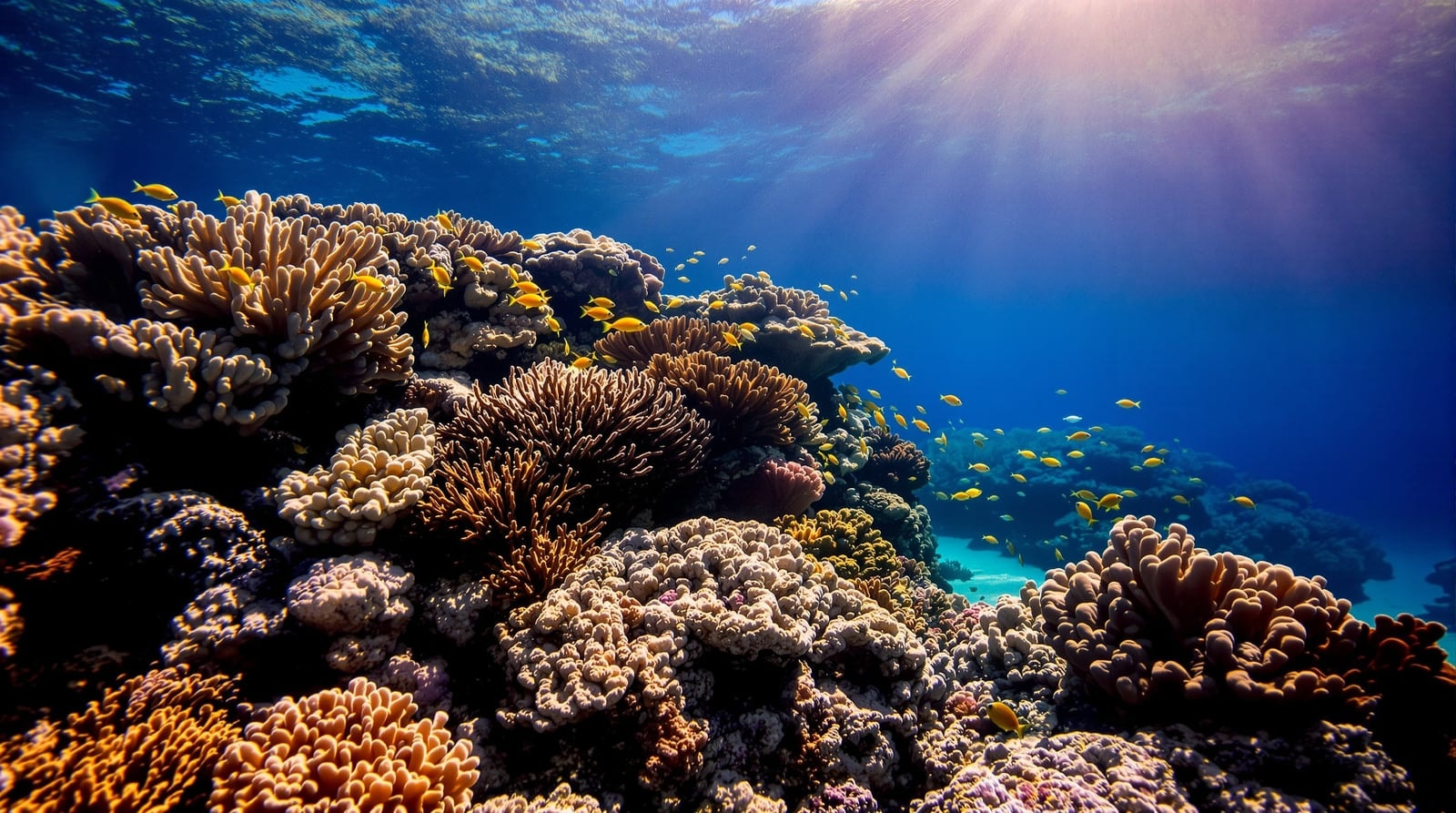
Travel has a footprint, and it is impossible to make it disappear. But a traveler's choices, from how a hotel towel is used to where a dinner is eaten, add up. Lighter travel is not about guilt or perfection. It is about small habits and better decisions that leave places a little better off for your visit.
What sustainable tourism means
Wikipedia's article on sustainable tourism describes it as a concept that covers the complete tourism experience, including concern for economic, social and environmental issues as well as attention to improving tourists' experiences and addressing the needs of host communities. It notes that sustainable tourism is a complex concept with varied definitions. For a traveler, the simplest reading is this: aim for trips that are good for the environment, good for local people, and still wonderful for you.
Simple habits in the room
- Towels and linens. Reuse towels for several days and decline daily sheet changes when you do not need them. It saves water, energy and detergent.
- Water. Take shorter showers and turn off taps while brushing teeth, especially in dry regions where water is precious.
- Energy. Switch off lights, air conditioning, heating and electronics when you leave the room. Close curtains in hot weather to keep rooms cool.
- Refills. Carry a reusable water bottle and refill it where safe water is available. Bring your own toiletries in refillable containers instead of using single-use miniatures.
- Waste. Say no to unnecessary plastic, and sort waste where recycling is offered.
What makes a stay more sustainable
Beyond your own habits, the place you choose matters. Look for signs that a property takes its footprint seriously:
- energy from renewable sources, and efficient heating, cooling and lighting;
- water conservation, rainwater collection and careful wastewater treatment;
- reduced single-use plastic and good waste management;
- local, seasonal food on the menu;
- buildings that fit the landscape and use local materials;
- fair employment and training for local staff.
Labels and certifications can help, but read what lies behind them, and do not be afraid to ask a place directly what it does.
Choose locally owned places
Where you stay determines where your money goes. Small, locally owned guesthouses, family hotels and homestays tend to keep more of their income in the community. They also offer local knowledge you cannot buy elsewhere: the best market, the quiet beach, the family restaurant around the corner. The same applies to guides, restaurants and shops. The page on traveling on a small budget shows how local choices are often cheaper too.
Crowds and overtourism
Some places are straining under the number of visitors: historic centers crowded to the point of discomfort, fragile landscapes worn by footsteps, neighborhoods where residents are pushed out. Travelers can ease the pressure:
- Visit popular places in the off-season or at quieter times of day.
- Stay longer in fewer places rather than making quick visits to many.
- Explore lesser-known towns, parks and regions; the guide to local travel is full of them.
- Follow local rules on access, noise and behavior.
Reef etiquette
Coral reefs are among the most precious and fragile places a traveler can visit. NOAA's collection on coral reef ecosystems describes coral reefs as some of the most diverse ecosystems in the world, built mainly by coral polyps, animals that take many forms. Protect them:
- never touch, kick or stand on coral;
- practice buoyancy and fin control away from the reef;
- do not feed, chase or handle marine life;
- take no shells, coral or living things;
- choose operators who follow marine protection rules and use moorings rather than anchors.
Trail etiquette
On land, the same principles apply. The U.S. Forest Service's Know Before You Go page reminds visitors that the animals they share the outdoors with are not pets, and asks people to keep a safe distance and be careful not to disturb their habitat. Stay on marked trails, pack out everything you bring in, leave plants, rocks and artifacts where they are, and keep noise down so that others can enjoy the quiet.
Lighter, not perfect
No traveler gets everything right. The point is to keep making better choices and to travel with awareness. For more on protecting the places you love, read the Riviera Maya's cenotes, and for respectful travel among people and cultures, What defines a culture?.