What defines a culture? Traveling with curiosity
Not the monuments alone, but the meals, the doorways, the markets and the way people greet one another.
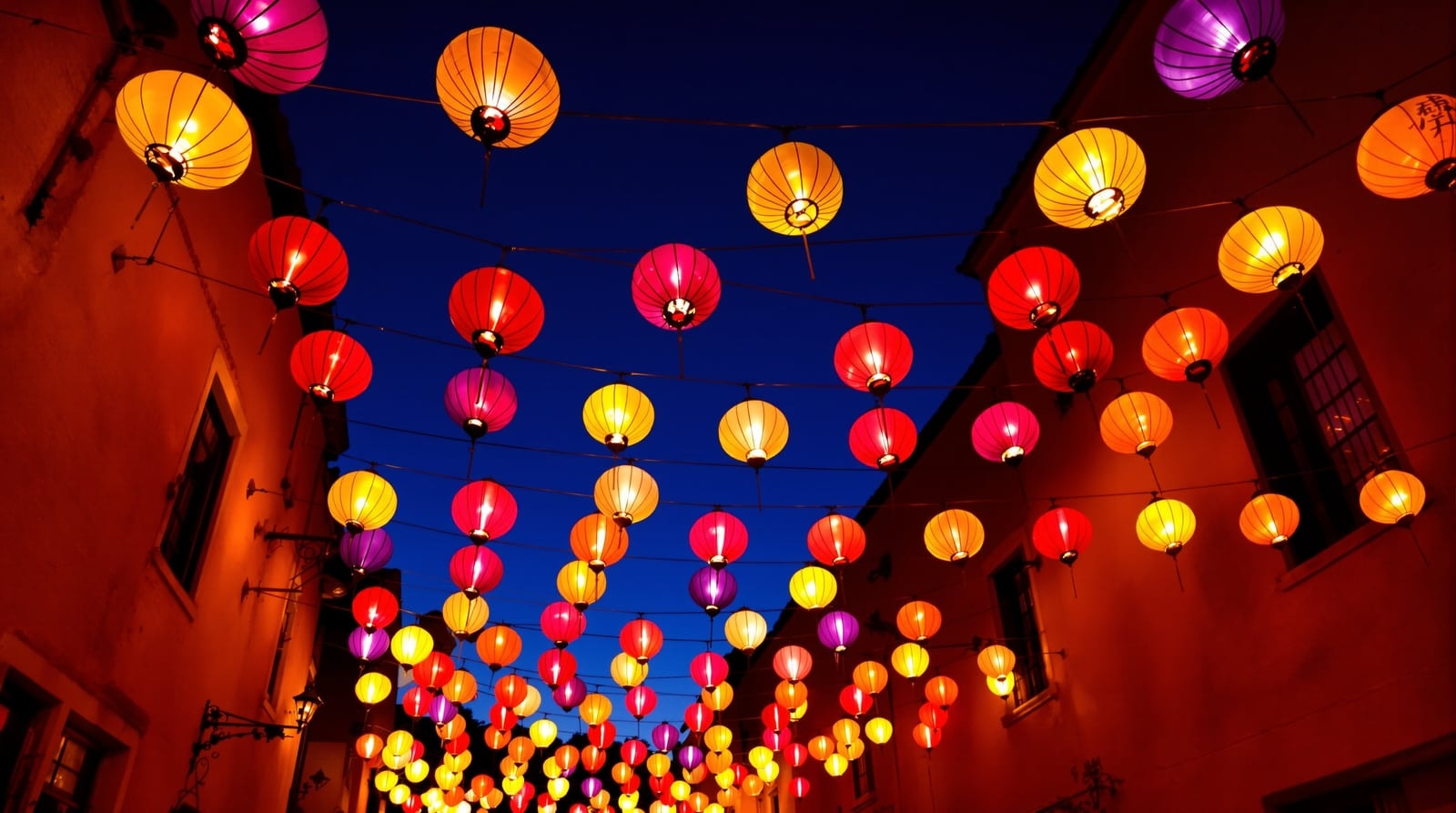
Travelers often say they want to "experience the culture" of a place. It is a lovely ambition and a slippery one. What exactly is it you are hoping to experience? A dance performance, a cathedral, a plate of food, a way of queuing for the bus? The honest answer is all of them, and the more of them you notice, the better you begin to understand where you are.
What culture means
Wikipedia's article on culture describes it as a concept that encompasses the social behavior, institutions and norms found in human societies, together with the knowledge, beliefs, arts, laws, customs, capabilities, attitudes and habits of the people in those groups. It also notes that humans acquire culture through learning, that cultural norms act as guidelines for behavior, dress, language and demeanor, and that cultures change through contact with one another.
That definition is useful for travelers because it is so broad. Culture is not only what is displayed in museums or performed on stages. It is also how people eat, what they find funny, how they treat elders, how loudly they speak, what they do on a day off. It is learned rather than innate, which means that you, as a visitor, can learn a little of it too.
Food as a way in
If there is one door into a culture that is always open, it is the kitchen. Food carries geography, history, religion, trade and family memory all at once. The spices in a dish may trace ancient trade routes; a festival meal may mark a religious calendar; a humble street snack may tell you about migration and hard times.
- Eat what is local and seasonal, and ask what a dish is called and when it is eaten.
- Visit a market early in the morning, when people shop for the day.
- Take a cooking class run by local cooks; you learn techniques, ingredients and the stories behind them.
- Follow local rhythms. Eat lunch when everyone eats lunch; notice when the streets go quiet.
Faith and sacred places
Temples, mosques, churches, shrines and sacred landscapes are among the most moving places a traveler can visit. They are also, first and foremost, places of worship and meaning for the people who use them. Visiting respectfully is simple, but it matters:
- Dress as the place asks, usually covering shoulders and knees; carry a scarf or sarong for the purpose.
- Remove shoes where others do.
- Keep voices low and phones silent, and avoid visiting during services unless visitors are welcome.
- Ask before photographing, and never photograph people at prayer without permission.
- Follow any rules about where visitors may go, and never touch or climb on sacred objects.
Some sacred places belong to Indigenous peoples and have their own rules and protocols. The guides to Canyon de Chelly and Copán discuss how to approach such places with care.
Going local without intruding
There is a difference between curiosity and intrusion. Wandering into a residential neighborhood can reveal everyday life, but people live there; they are not a display. A few principles help:
- Be a guest, not an inspector. Greet people, smile, and accept that some will not want to engage.
- Learn a few words of the local language; even "hello" and "thank you" change the tone. The page on a few words of Swahili is one example.
- Spend money locally, in family businesses and markets.
- Resist the urge to photograph poverty or private moments.
- Listen more than you talk, and ask questions with genuine interest.
Markets and doorways
Some of the richest cultural moments come from paying attention to ordinary things. Markets reveal what people eat, what they grow, how they bargain and how they talk to each other. Doorways, courtyards, balconies and windows show how people arrange their homes, what colors they choose, what plants they keep, what they hang to dry. Laundry lines, hand-painted shutters, neighborhood shrines, children's games on the street: these are culture too, and noticing them is a form of respect.
Culture changes, and so do you
Cultures are not museum pieces frozen in time. They absorb influences, respond to change and are continually reinvented by the people who live them. A modern café culture or a new style of music is as authentic as an old festival. Expecting a place to look like an old photograph can blind you to what it actually is today.
Culture also works in both directions. Every traveler carries a culture of their own, and meeting another one can make your own habits visible for the first time. That may be the most valuable souvenir of all. For more on why the journey itself matters, read why time away matters, and for honest writing about people and places, getting started in travel writing.