Traveling to the Cook Islands
A green volcanic island, a lagoon of impossible blue, and quieter islands of caves and coral.
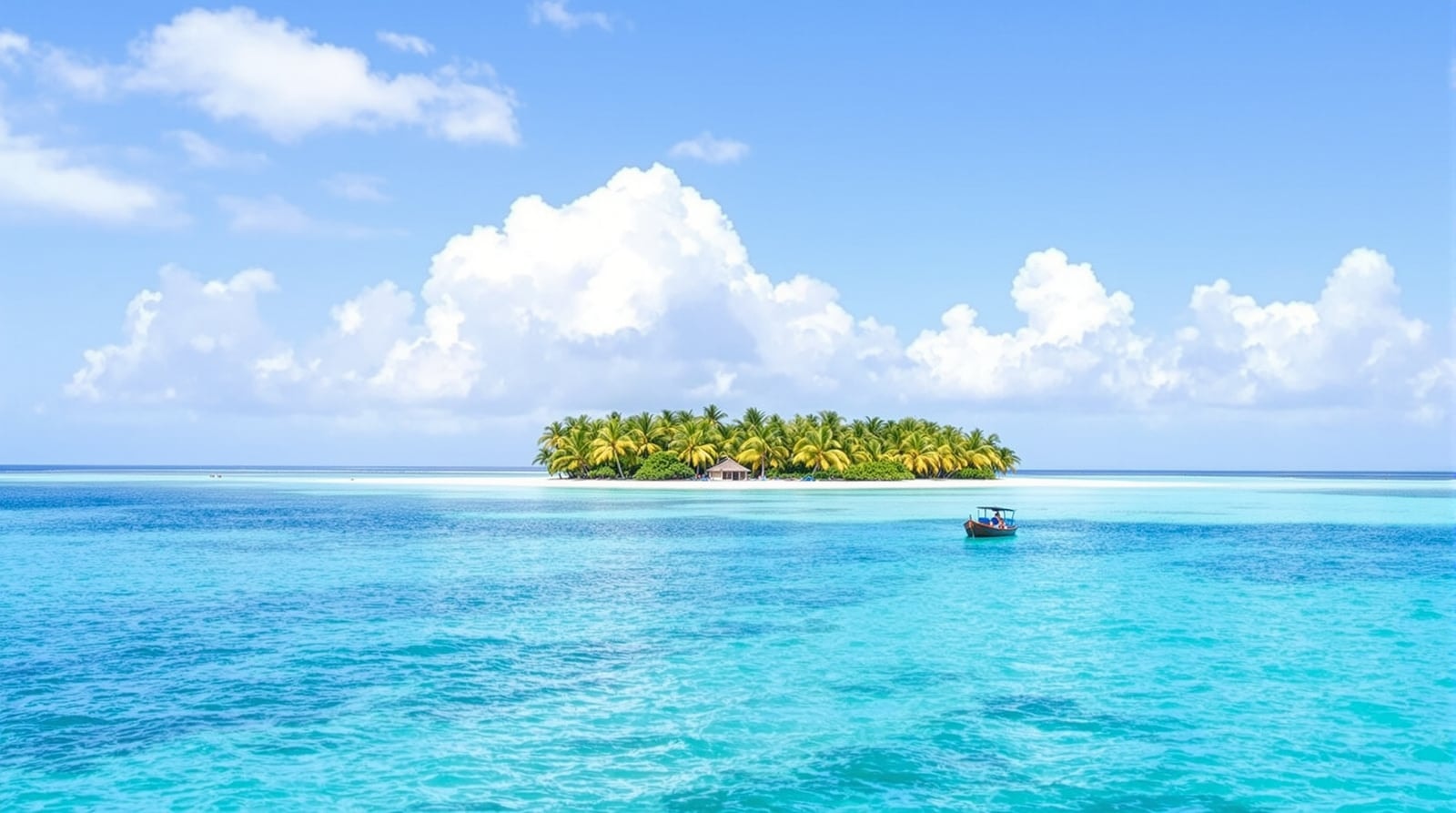
Scattered across a vast stretch of the South Pacific, the Cook Islands are small, green and friendly, with lagoons in every shade of blue. They are the kind of place where time slows down, where the day is shaped by the tide and the sunset, and where a visitor soon learns to stop looking at the clock.
The islands
Wikipedia's article on the Cook Islands describes an island country in Polynesia, in the South Pacific Ocean, that is self-governing in free association with New Zealand. It notes that the country consists of 15 islands, that Rarotonga is its main population center and the location of its international airport, and that the islands have had names in Indigenous languages, including Cook Islands Māori, throughout the time they have been inhabited.
Rarotonga
Rarotonga, the main island, is a volcanic peak wrapped in green, with jagged mountains in the center, a lagoon all around, and a coastal road that circles the island. It is small enough to see in a day and lovely enough to fill weeks.
- Circle the island by bus, bicycle or on foot, stopping at beaches, villages and churches.
- Walk the cross-island trail through the mountainous interior with a local guide or good preparation; it can be steep, muddy and slippery.
- Snorkel in the lagoon in protected areas, following local advice about currents and the reef edge.
- Visit a market for local produce, crafts and food.
The Aitutaki lagoon
North of Rarotonga, Aitutaki surrounds itself with one of the most beautiful lagoons in the Pacific: a vast, shallow expanse of turquoise and pale blue, dotted with small islets of white sand and palms. Boat trips cross the lagoon to snorkel among fish and giant clams and to walk on uninhabited islets. It is a place to spend long, lazy hours in and around the water.
The same reef courtesy applies here as anywhere: never stand on coral, do not touch or collect marine life, and follow the guidance of local boat operators. The page on greener hotel stays and lighter travel explains why reefs are so fragile.
Atiu: caves and homestays
For a quieter experience, the island of Atiu offers raised coral terrain, forest, limestone caves and a small population. Local guides lead visits to caves and forest, and birdwatching is rewarding. Staying in a small guesthouse or family homestay on an island like this is a way to experience daily island life, with meals, conversation and local knowledge included.
Island culture and customs
Cook Islands culture is rich in music, dance, weaving, carving and storytelling, and church plays a central role in community life. Visiting respectfully makes a big difference:
- Dress modestly away from the beach, especially in villages and at church.
- Attend a church service if you are invited or welcome; the singing is famous. Dress well and sit quietly.
- Respect Sunday as a day of rest in many communities.
- Ask before entering land; much land is family-owned and some places carry special significance.
- Learn a greeting. Kia orana, a greeting and a wish for a long life, will be heard everywhere.
Coconuts and island food
Island food is simple and fresh: fish from the lagoon and ocean, taro and other root vegetables, breadfruit, bananas, papaya, and above all coconut. Coconuts are everywhere, used for drinking, cooking, and much else. Look for raw fish marinated and dressed with coconut cream, and for feasts cooked in an earth oven on special occasions. Markets and small local eateries are the best places to try it all.
Getting around slowly
On Rarotonga, a bus runs in both directions around the coastal road, and bicycles and scooters are common ways to explore. On the outer islands, distances are short and life moves at a walking pace. Hiring a local guide for caves, trails and lagoon trips supports the community and brings stories you would never find alone. Leave room in your plans for weather, for flights between islands, and for simply sitting still.
Sunsets
Evenings in the Cook Islands are something to look forward to. The sun sinks into the Pacific, the lagoon turns gold and pink, and the palms become silhouettes. Find a west-facing beach, sit on the sand, and watch the sky change color until the first stars appear.
Before you go
The Cook Islands are remote, so plan carefully: check entry requirements with official sources, allow time for flights, and pack sun protection, reef-safe habits and light, modest clothing. The guide to packing smart covers essentials, including the humble sarong, known in Polynesia as a pareu. Long flights across time zones make jet lag and your body clock worth reading too.