Traveling on a small budget
Where the money goes on a trip, and how to make a little of it go a long way.
Lack of money is one of the most common reasons people give for not traveling, and it deserves to be taken seriously. Travel can be expensive. But the most expensive trips are usually expensive for a handful of predictable reasons, and once you can see them, you can decide which ones matter to you and which you can do without.
Where the money goes
For most trips, spending falls into a few large buckets:
- Getting there. Long-haul transport is often the single biggest cost, and the least flexible once booked.
- Somewhere to sleep. Accommodation adds up night by night, which is why trip length matters so much.
- Moving around. Taxis, car rental, fuel, domestic flights and transfers.
- Eating. Three meals a day in restaurants aimed at visitors can rival the cost of the room.
- Doing things. Tours, entry tickets, activities and the small purchases that feel trivial at the time.
Budget travel is not about cutting all of these equally. It is about spending deliberately on the one or two things that make the trip, and being relaxed about the rest.
Timing: the off-season and the shoulder
When you go can matter as much as where. Peak season brings crowds and higher prices for transport and rooms. The shoulder seasons, just before and after the peak, often have good weather, fewer people and lower costs. The true off-season can be quieter still, though some services may close. A flexible calendar is one of the most powerful budget tools a traveler has.
Slow down
Moving often is expensive. Every change of place brings a transport ticket, a new room, and a day half lost to logistics. Staying longer in fewer places reduces all of that, and it opens doors: weekly rates, a kitchen, a neighborhood market where the stallholders begin to recognize you. Slow travel is also, quite simply, a better way to understand a place.
Public spaces and free walking
Some of the best things in any city cost nothing. Parks, beaches, waterfronts, old quarters, markets, places of worship open to respectful visitors and viewpoints over the rooftops are free to enjoy. Many cities also have public museums with free days or free permanent collections. Walking tours run on a tips-only basis in many places, and they are an excellent first-day orientation. A good pair of shoes may be the best travel investment you ever make.
Eat where people live
Food is the easiest place to save money without losing any pleasure. Move a few streets away from the main square and prices drop while quality often rises. Look for:
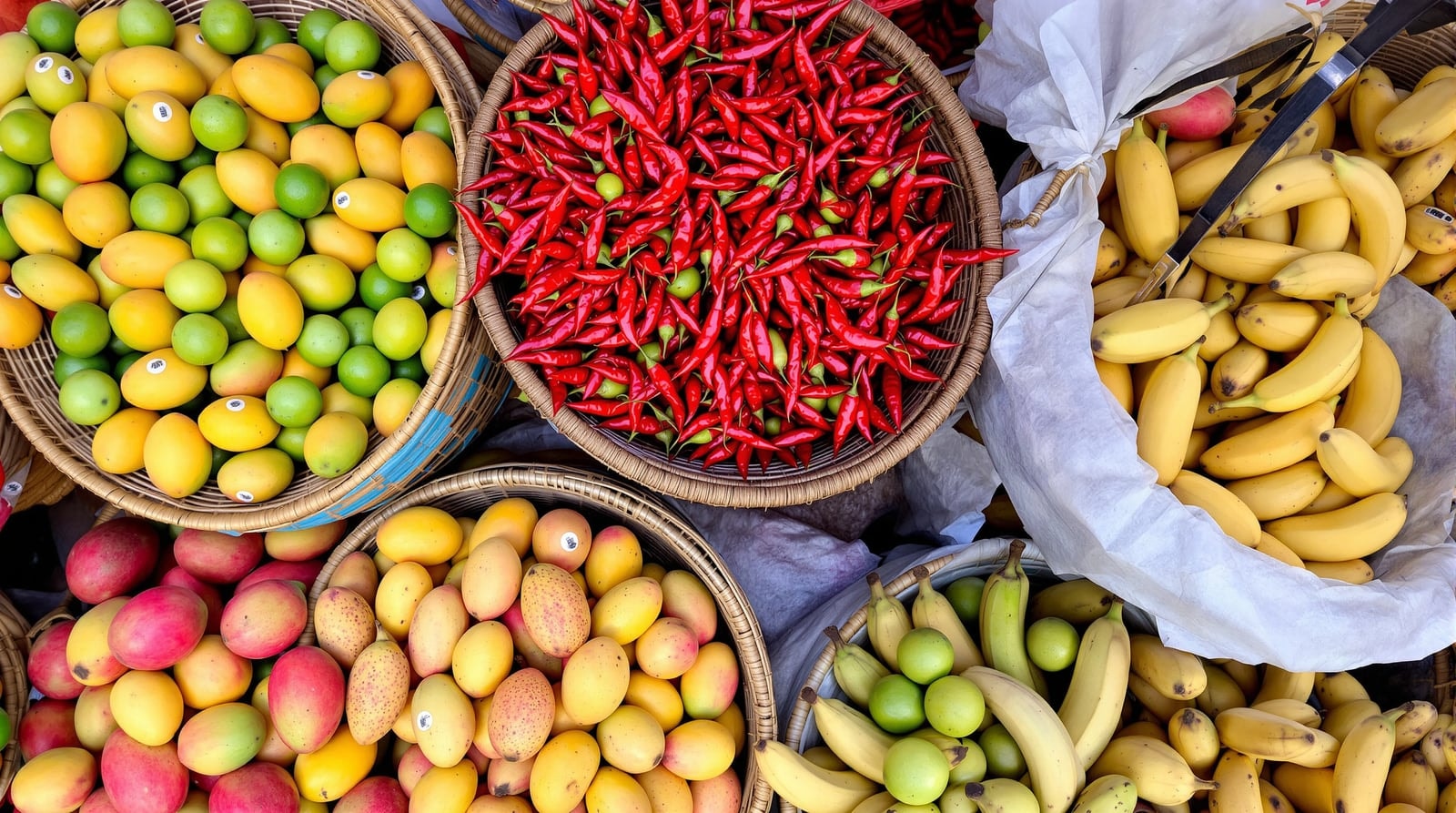
- markets and food halls, where you can graze and see what is in season;
- set lunches, which in many countries are the main meal of the day and generous;
- bakeries and street food, eaten in a park or on a harbor wall;
- simple self-catering, if your room has a kitchen: bread, fruit, cheese and local produce make a fine picnic.
Bargaining respectfully
In some markets, haggling is expected; in others, prices are fixed and haggling is rude. Watch what local shoppers do. Where bargaining is the custom, treat it as a friendly conversation rather than a contest: smile, decide beforehand what the item is worth to you, and walk away politely if you cannot agree. Remember that a small difference to you may be a meaningful one to the seller.
Where to sleep for less
Beyond hotels, there are many categories of place to stay that can cost less, especially for longer visits:
- Guesthouses and family-run rooms, often with breakfast and local advice included.
- Hostels, many of which now offer private rooms as well as dorms.
- Home exchanges, in which two households swap homes for a period.
- Short-term rentals of apartments or houses, which suit families and groups.
- Campgrounds, for those carrying a tent.
Read the terms carefully, check what is included, and prefer locally owned places where you can.
Spending that does good
There is a broader case for thinking about where your money lands. Wikipedia's article on sustainable tourism describes a concept that covers economic, social and environmental concerns along with the needs of host communities. In practice, eating at family restaurants, staying in locally owned rooms and hiring local guides tends to be both cheaper for you and better for the place you are visiting.
Keep perspective
A tight budget can make a trip better. It pushes you out of bubbles designed for visitors and into markets, buses, parks and conversations. The page on greener hotel stays and lighter travel has more on choosing well, and the other reasons people don't travel are worth a read if money is not the only thing holding you back.