Copán and the Bay Islands: a first look at Honduras
A Maya city of carved stone in the western hills, a cobbled town beside it, and reefs off the northern coast.
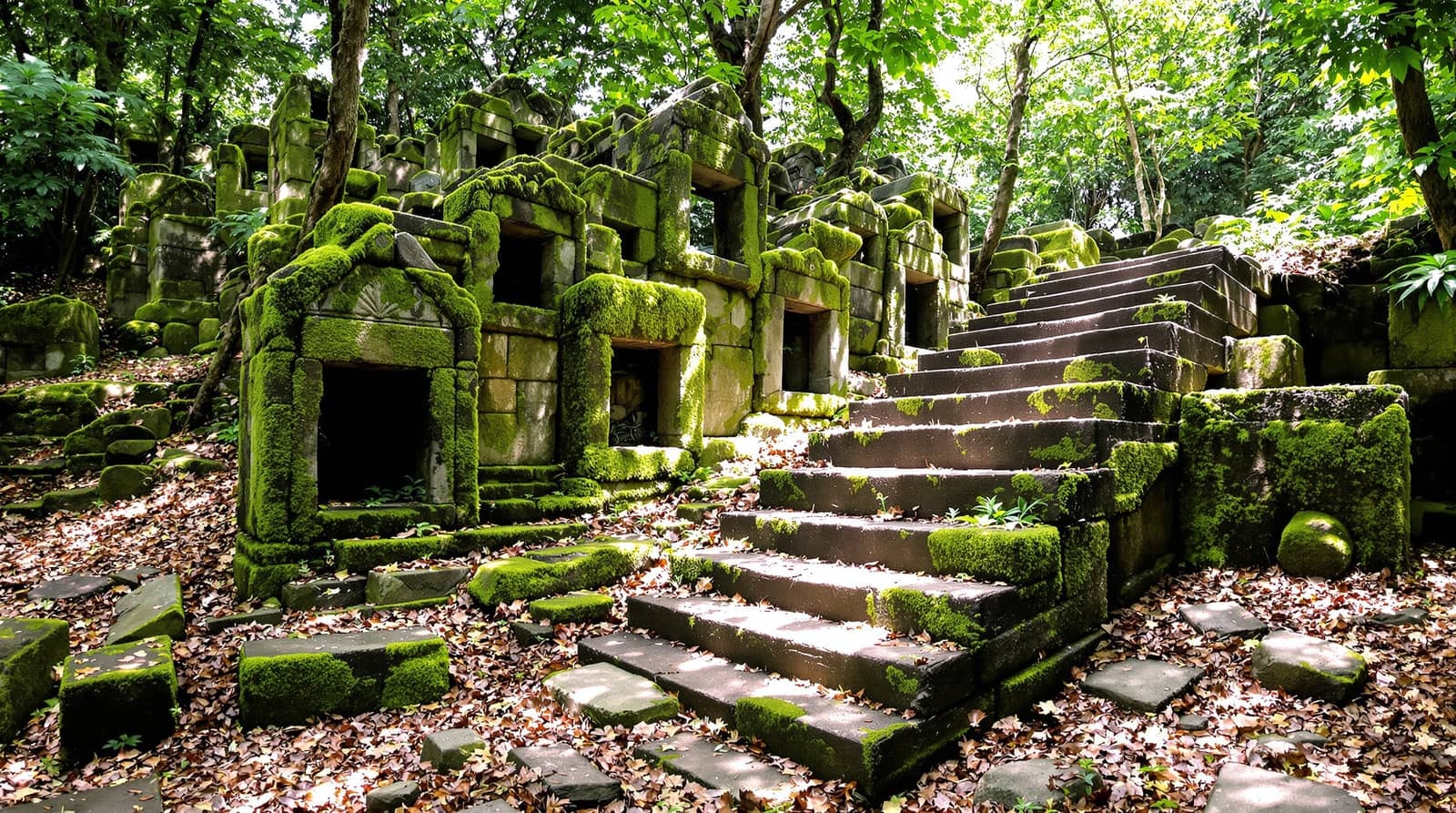
Honduras is often skipped by travelers heading elsewhere in Central America, which is a shame. In its western hills lies one of the most beautiful of all Maya cities, and off its northern coast lie islands fringed with reef. A first visit can be as simple as those two places, and they are very different from each other.
Honduras in general
Wikipedia's article on Honduras notes that the country was home to several important Mesoamerican cultures, most notably the Maya, before Spanish colonization, and that Spanish customs blended with Indigenous culture. The same article describes the Bay Islands, off the northern coast, as the setting of part of the Mesoamerican Barrier Reef System, home to marine life such as dolphins, manta rays, parrotfish, blue tang and whale sharks. The country's landscapes range from mountains with pine and oak forests to mangroves and coast.
Copán: a city of carved stone
Wikipedia's article on Copán describes an archaeological site of the Maya civilization in western Honduras, not far from the border with Guatemala, and calls it one of the most important sites of the Maya civilization. It notes that the ruined citadel and imposing public squares reveal the stages of the city's development before it was abandoned.
What makes Copán special is its sculpture. The site is famed for its tall carved stone monuments, known as stelae, which depict rulers in elaborate regalia surrounded by symbols and glyphs, carved so deeply they seem almost three-dimensional. Copán is also known for its Hieroglyphic Stairway, a flight of temple steps carved with a long glyph text; the same article mentions it in recounting the reigns of the city's rulers. Standing before it, you are looking at history written in stone, even if you cannot read a single glyph.
Visiting the site
- Go early, when the light is soft and the plazas are quiet.
- Consider a licensed local guide, who can bring the carvings and their stories to life.
- Follow the rules. Stay on permitted paths, do not climb where it is forbidden, and never touch the carvings; the stone is fragile and irreplaceable.
- Look for the birds. Bright parrots and other birds are often seen around the site.
- Check current arrangements for tunnels, museums and sections of the site, which vary.
The town
Beside the ruins, a small hill town of cobbled streets, red-tiled roofs and a central square makes a relaxed base. Its cafés, markets and small museums fill a pleasant evening, and the surrounding hills are green and cool compared with the lowlands. It is a place to slow down for a few days.
Beyond the ruins
The countryside around Copán invites exploration. Two popular kinds of outing:
- Coffee-farm visits. The hills are coffee country. On a farm visit you can follow the process from the plant to the cup and learn about the lives of the families who grow it. Prefer small farms and cooperatives.
- Horseback rides through the valley and hills, with local guides. Choose operators who care well for their animals, and never ride a horse that looks unwell or overworked.
Hot springs, waterfalls, bird reserves and villages known for handicrafts are all within reach too.
Learning more before and after
Copán repays preparation. Reading a little about Maya history, writing and art before you go makes the carvings far easier to understand, and a guide can then fill in the stories of individual rulers and monuments. Site museums often shelter original sculptures, with replicas standing outside in their place, so a museum visit is worth including. Afterwards, the carvings you saw will make every other Maya site you visit, from Mexico to Guatemala, more meaningful.
The Bay Islands
Off the northern coast, the Bay Islands are a different world: turquoise water, reefs, wooden houses on stilts, and a mix of cultures and languages shaped by the Caribbean. They are known for diving and snorkeling, with reefs close to shore.
Enjoy them gently. Never stand on or touch coral, keep your fins clear of the reef, do not feed or chase marine life, and choose operators who respect marine protection rules. The guide to St. John and island-hopping the Caribbean explains why reefs are so fragile.
Before you go
Entry requirements and official travel advice change and depend on your nationality. Check your own government's guidance and official Honduran sources before you travel, and plan routes with local advice.
For more of the Maya world, continue with the Riviera Maya and the cenotes of the Yucatán, and for the cloud forests and volcanoes farther south, Costa Rica.